Why Carmakers Won’t Touch Tesla’s Full Self-Driving Tech
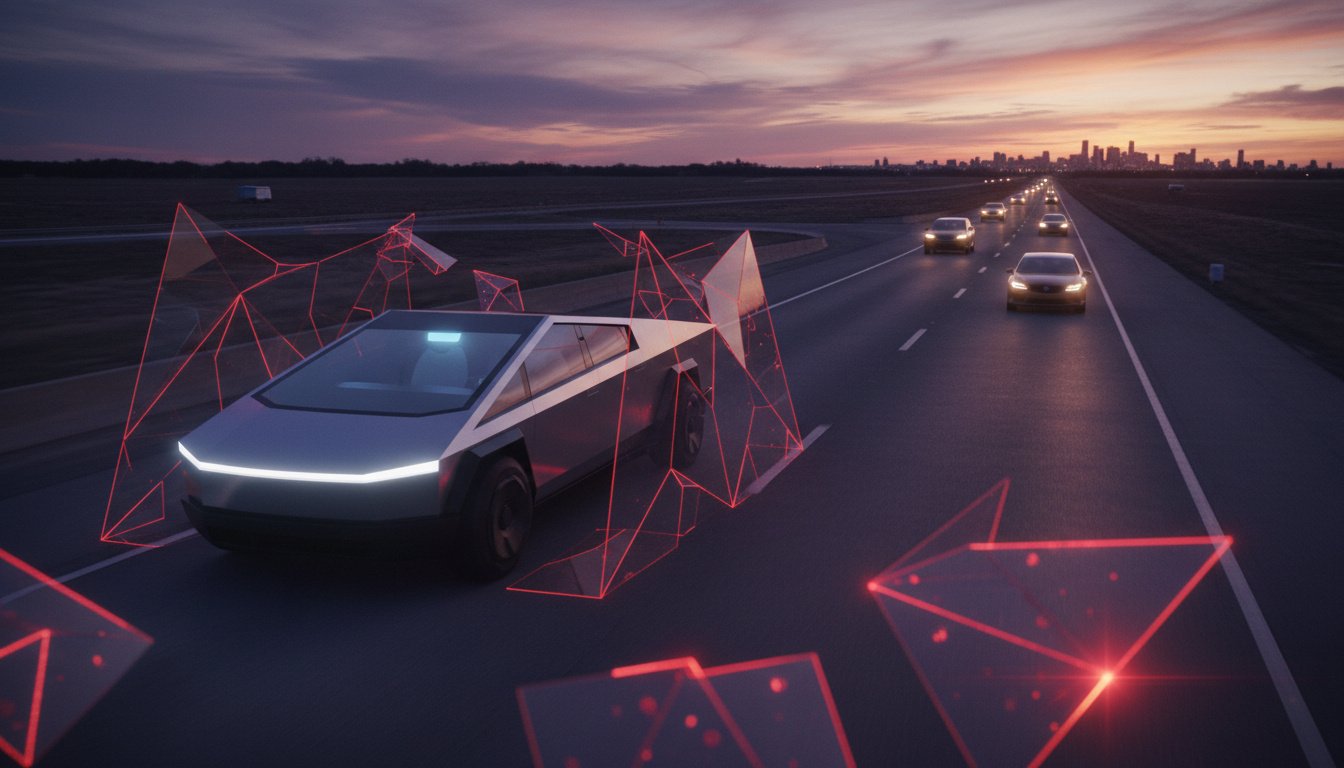
Elon Musk has spent years pushing Tesla’s Full Self-Driving (FSD) software as a must-have for the auto industry, but major carmakers like Ford, GM, and Stellantis just aren’t biting. In a recent post on X, Musk called it “crazy” that rivals ignore his offers to license the tech, even after he warned them they’d fall behind without it. He pointed out that when they do reach out, it’s usually for small-scale pilots years away, loaded with demands Tesla can’t meet. GuruFocus covered Musk’s talk on licensing challenges to legacy automakers in November 2024.
Musk’s Frustration Boils Over
Musk’s comments came in response to an analyst note from Melius Research, which argued that while Tesla leads in autonomy, everyone else risks getting left in the dust. Back in April 2024, Musk told investors Tesla was talking to one big automaker about a deal. He even predicted in January that interest would spike once FSD proved essential for survival. But now, he’s saying no real progress has happened. As he put it on X in November 2024, legacy auto’s proposals feel pointless, ending his post with dinosaur emojis to drive the point home. NewsBytes noted in November 2024 that this confirms industry resistance, against earlier speculation.
This isn’t the first time Musk has floated licensing FSD. A few years ago, he mentioned early talks with a legacy player—rumors pointed to Ford, given his chats with CEO Jim Farley at the time. Ford has pushed hard on EVs but pulled back recently due to sales slumps and profit woes, leaving it playing catch-up to Tesla and others like BYD.
Safety and Liability Hold Them Back
The main roadblocks? Deep worries over safety, liability, and how to prove the tech works reliably. Traditional carmakers stick to strict testing before rollout, unlike Tesla’s rapid iteration style. For instance, Ford and Mercedes-Benz demand thorough validation that FSD hasn’t fully cleared in their eyes. Ackodrive reported in November 2024 that despite Musk’s repeated pitches, no major deal has landed because of these gaps. OpenTools AI News highlighted in November 2024 how Ford and GM cite integration problems despite FSD’s edge.
Regulatory heat adds fuel to the fire. The U.S. auto safety agency opened a probe last month into FSD after reports of Teslas blowing red lights and veering into oncoming traffic. That’s on top of a broader investigation covering 2.4 million FSD-equipped cars from last year. Tesla’s also dealing with lawsuits, including an August ruling where a jury held it partly responsible for a fatal Autopilot crash, slapping the company with a $242 million payout it’s appealing.
These issues make carmakers hesitant. Why risk it when FSD still needs a human driver watching at all times? Business Insider covered Musk’s latest gripes in a November 2024 article, noting how Tesla’s robotaxi ambitions face their own delays—only about 12% of drivers pay for FSD now, and revenue from it dropped year-over-year.
Rivals Chart Their Own Course
Instead of jumping on Tesla’s bandwagon, others are partnering elsewhere. Toyota teamed up with Waymo in April to add self-driving to personal cars. Lucid’s working with Uber and Nuro on robotaxis for San Francisco next year. These moves let them control their tech stack without the baggage of Tesla’s scrutiny.
Musk believes this shortsightedness will hurt them long-term, much like their slow EV starts. Teslarati detailed his warnings in a November 2024 piece, highlighting how legacy firms attach endless terms to any FSD talks. Ackodrive echoed that in their coverage, pinning the freeze on mismatched priorities.
For now, Tesla’s FSD stays in-house, powering its push for unsupervised autonomy. But if carmakers keep saying no, Musk’s dinosaur prophecy might just play out.