Prison Calls Train AI to Sniff Out Future Crimes
Securus Technologies uses inmate calls to train AI that scans for planned crimes in prisons. Critics call it invasive; regulators now let companies charge inmates for it.
Study reveals LLMs like ChatGPT mimic puns via patterns but fail real comprehension, dropping to 20% accuracy on tweaks.
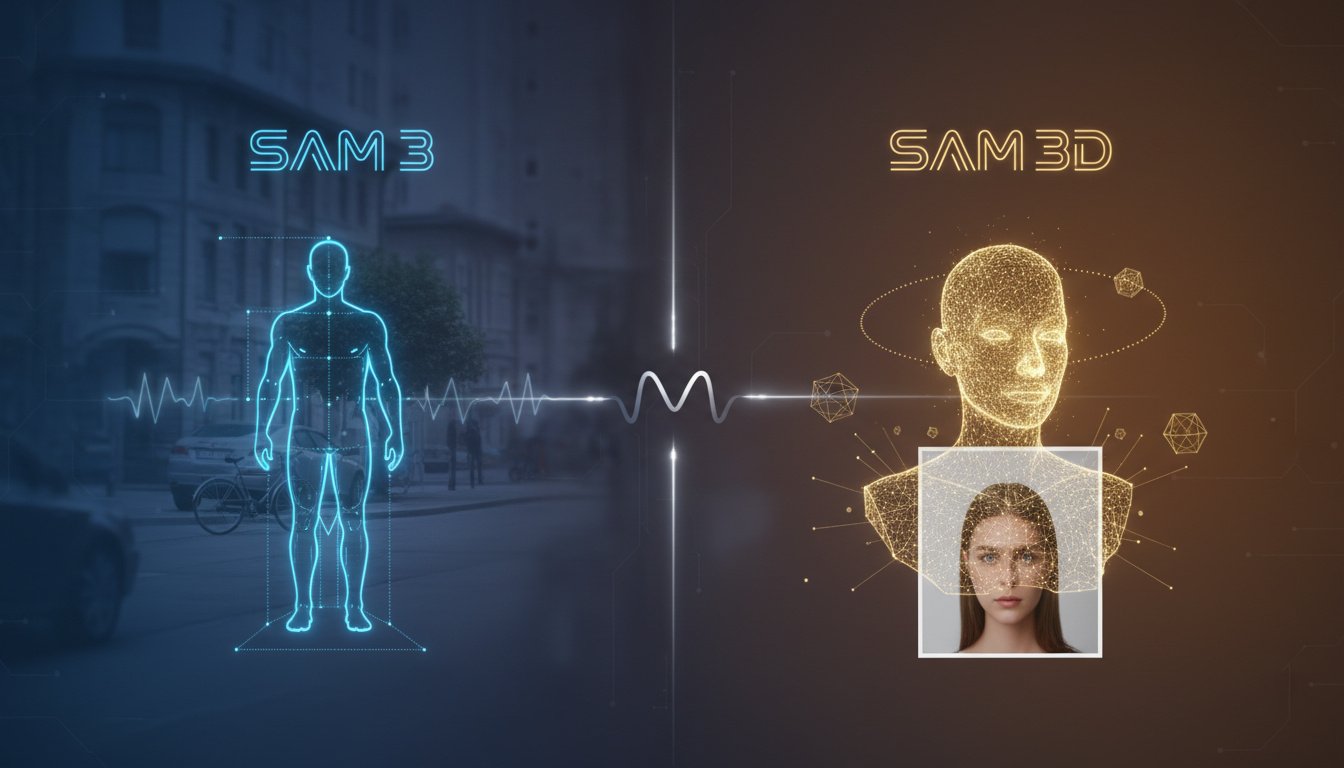
Meta's SAM 3 handles text-prompted 2D segmentation and video tracking. SAM 3D reconstructs 3D objects and bodies from single images. Both open-source, with direct apps in robotics and more.
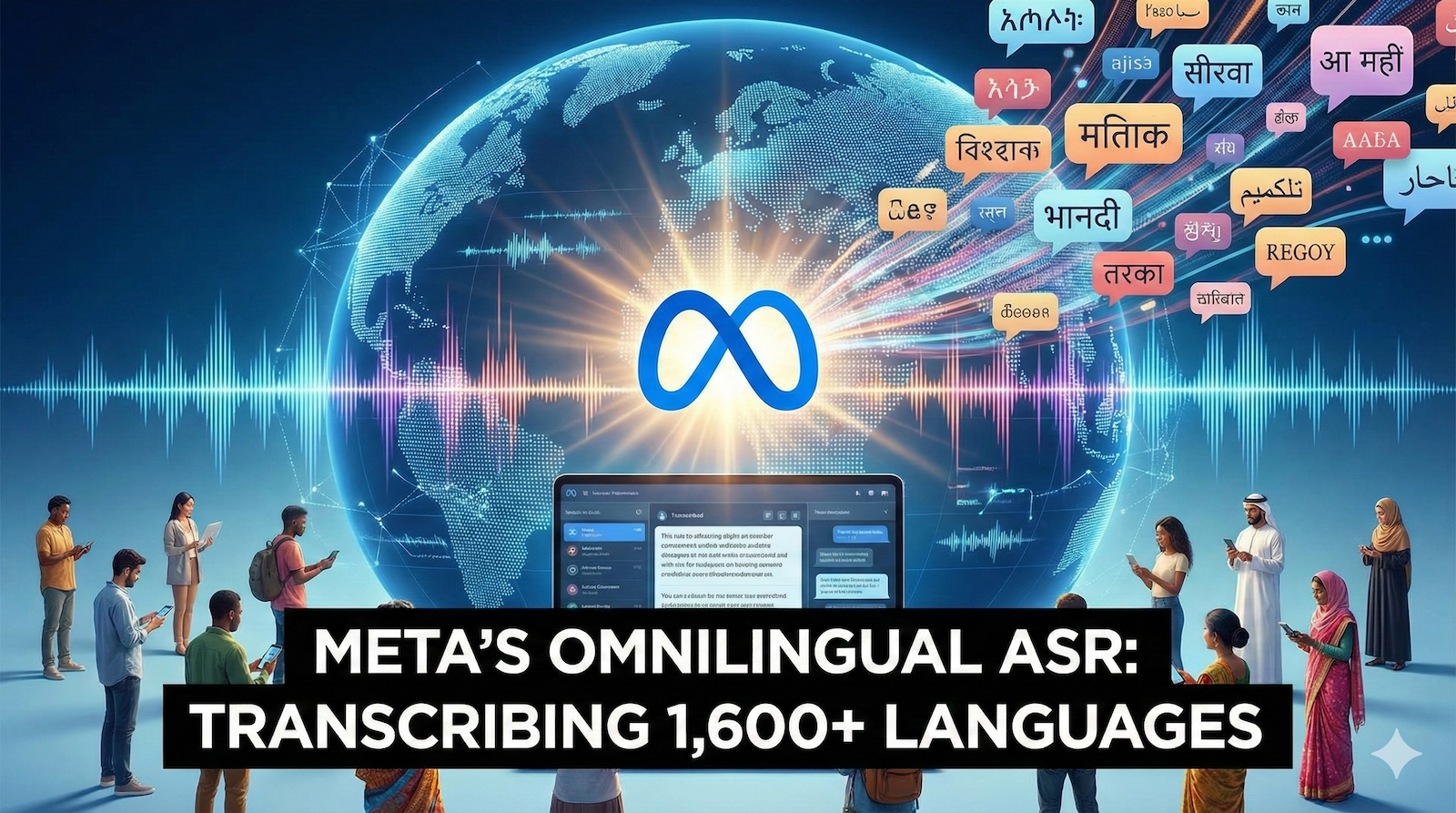
Meta's open-source ASR models cover 1,600+ languages including 500 low-resource ones, adapt with few samples, and power apps in health, education, and preservation.
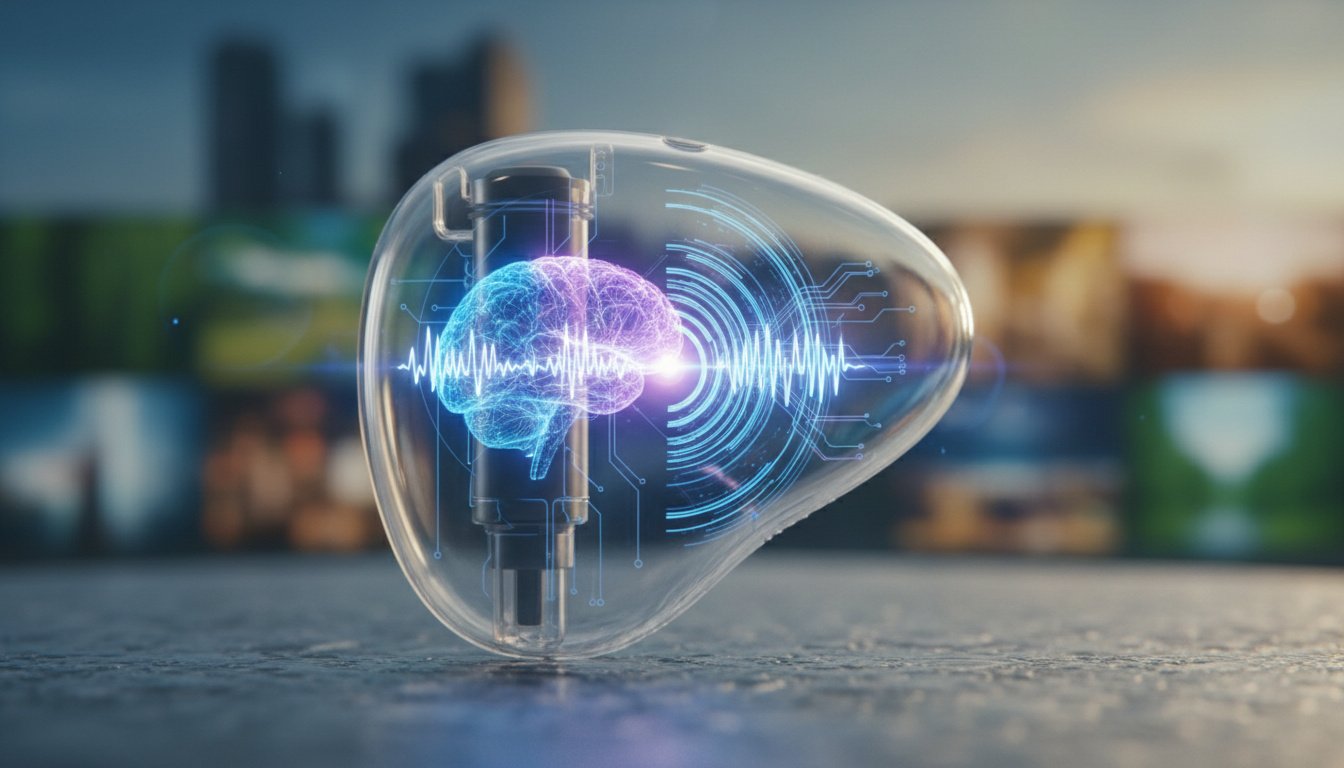
Cochlear's Nucleus Nexa System uses AI to spot environments, adjust sound, and focus on speech, making cochlear implants sharper in noise.
Google DeepMind's AI hurricane model topped 2025 Atlantic forecasts and now aids typhoon predictions in the Philippines through PAGASA and WNI partnerships.
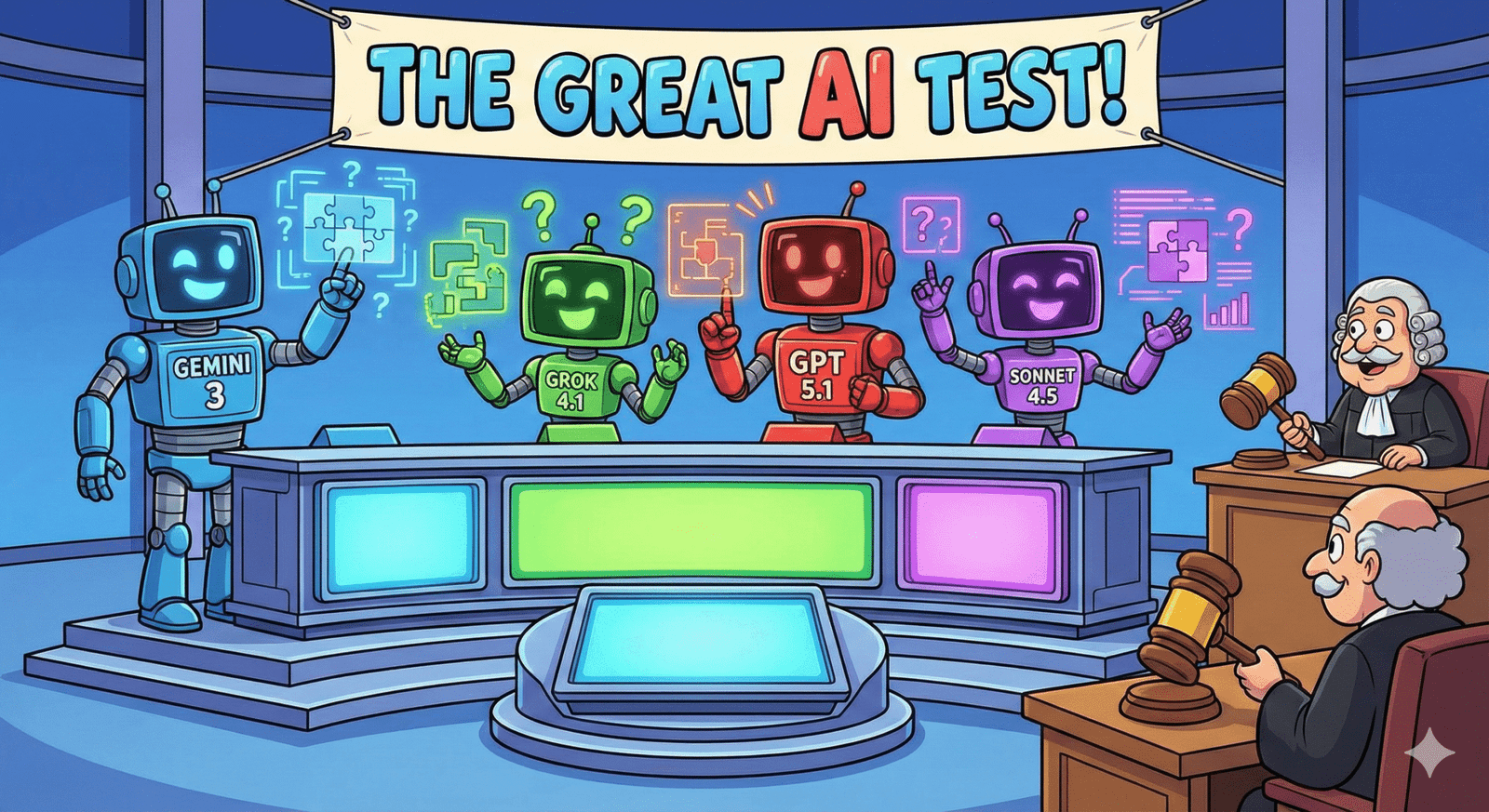
AI model showdown. Image created with Google Nano Banana People always argue about what's better between Gemini 3, GPT 5.1, Grok 4.1, or Sonnet 4.5...I personally think that it depends…
Groq and Cohere CFOs explain their paths to AI profits through fast inference and enterprise deals, as summed up on Perplexity.
Sony's Lytia 901 is a 200MP mobile sensor with QQBC pixels, AI remosaicing for 4x zoom, and over 100dB HDR. Shipping now for flagships like Oppo and Vivo.
Amazon deploys AI glasses for delivery drivers and warehouses, delivering hands-free nav, safety gains, and productivity boosts—but they're enterprise-only with steep scaling costs and no consumer launch yet.