Brook.ai Stands Out in Patient Monitoring

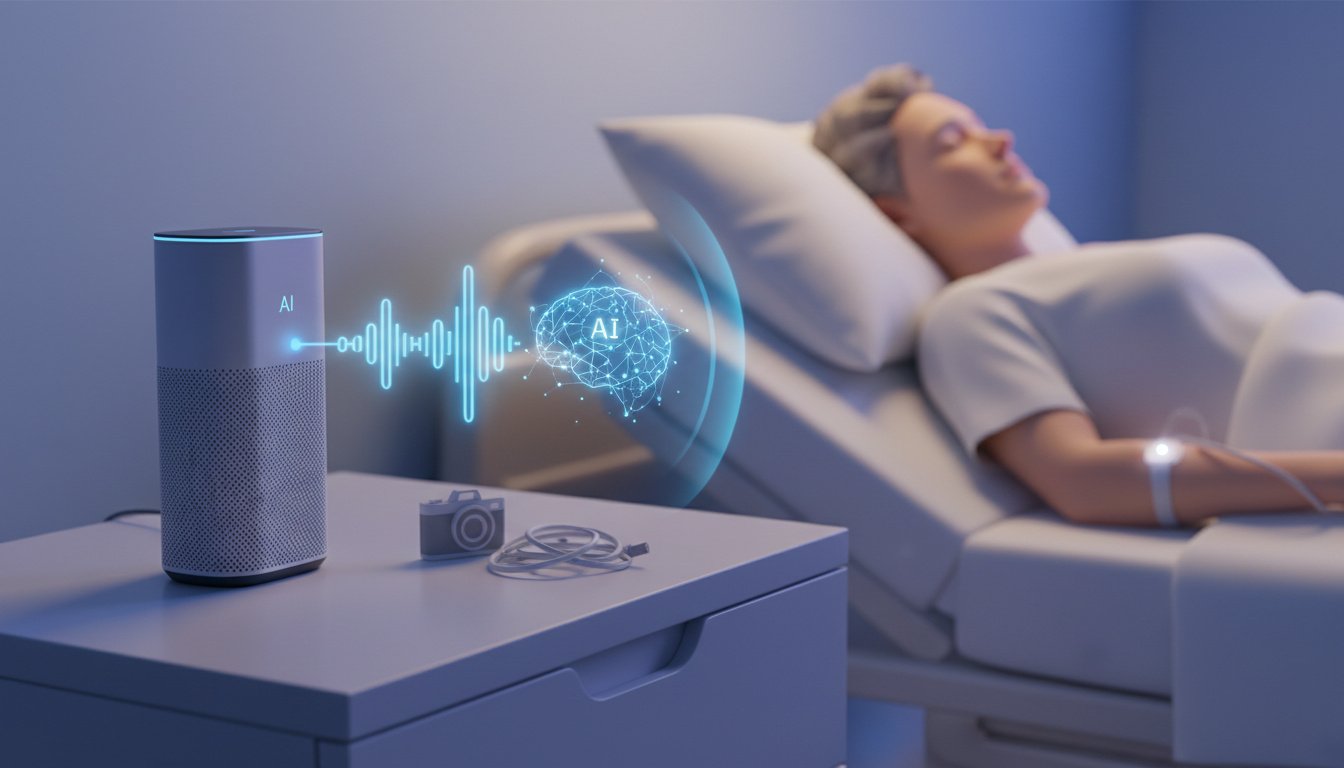
Brook.ai handles patient monitoring without wearables or cameras. A small device next to the bed picks up audio cues like calls for help, falls, coughs, or moans. Its AI figures out if the patient needs attention and sends alerts to staff right away. The company built it for hospitals to cut down on unnecessary checks while catching real issues fast. You can read details on their site and their recent award announcement.
Key Features That Set It Apart
- Contactless: Patients don’t wear anything or stare at lenses.
- Audio-focused: Listens 24/7 for distress sounds without recording conversations.
- Quick alerts: Nurses get notified on phones or systems within seconds.
- Easy setup: Plugs in like a speaker, works in standard rooms.
Brook.ai claims their system spots issues other devices miss because it reacts to sound patterns humans might overlook. Their product page backs this with hospital trial descriptions.
How It Stacks Up Against Others
Compared to wearable trackers like those from Masimo or BioIntelliSense, Brook.ai skips battery hassles and skin irritation. No armbands slipping off at night. Camera systems from EarlySense watch movement but raise privacy worries—Brook.ai sticks to sound, which feels less invasive. Reviews from healthcare sites note fewer false alarms with audio AI like this versus motion sensors alone.
What Users Say
Nurses at early adopter hospitals say it makes a big difference for night shifts. One review on a medical tech forum mentions it freed up 30% more time by skipping routine peeks—pulled from user posts linked on Brook.ai’s customer page. Patients like not having gadgets on them. Drawbacks? It needs a quiet-ish room to avoid pickup from hallway noise, though updates improved that.
If you’re picking a monitoring tool, Brook.ai fits spots where comfort and response speed matter most. Test it in your setup before committing.