Google’s AI Glasses: What They Are, When They Come Out, How They Work, and Why They Exist

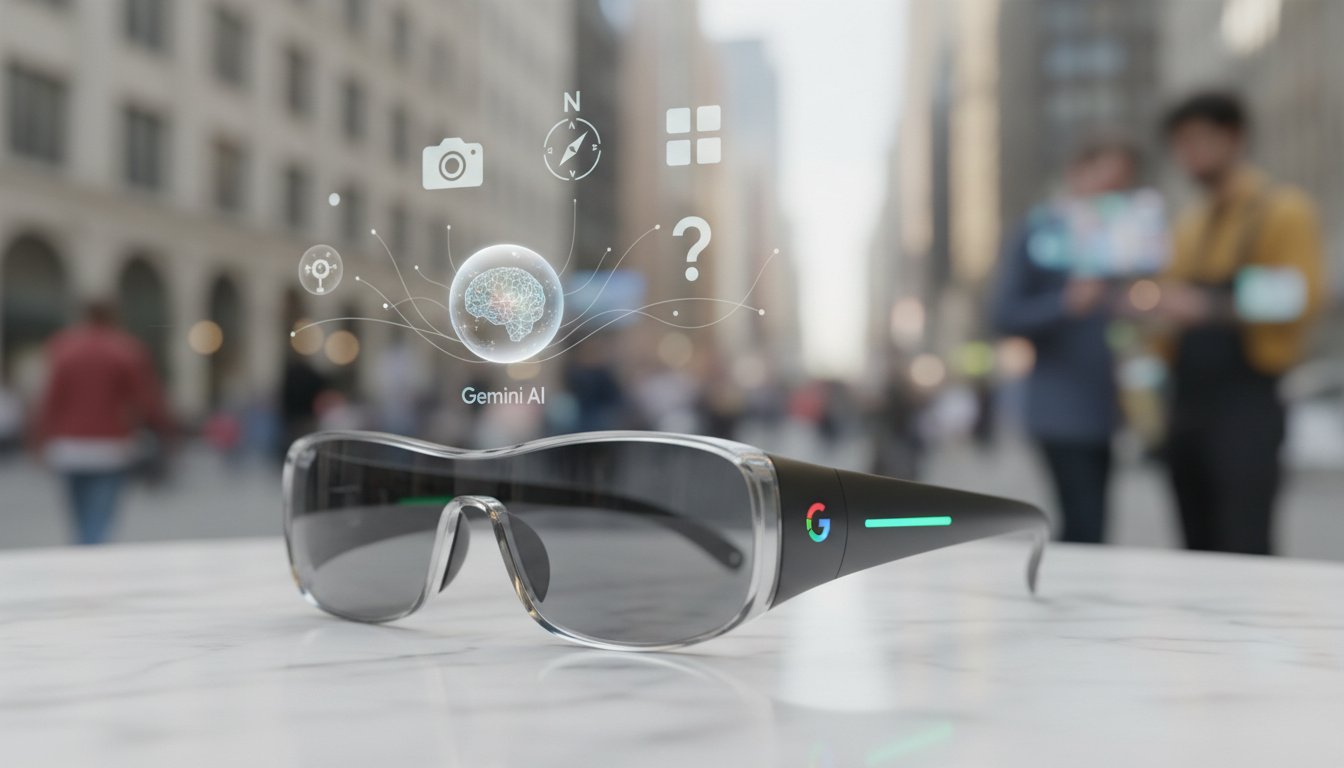
Google’s showing off prototype smart glasses that run on Android XR software and use Gemini AI to handle everyday tasks without pulling out your phone. You grab directions, snap photos, or ask about stuff you’re looking at, all hands-free. CNN got a close look last week at a demo where the glasses turned a plain room photo into a North Pole scene with one voice command, using something called Nano Banana AI.
What Are Google’s AI Glasses?
These are lightweight prototypes that look like regular eyewear but pack cameras, mics, and AI smarts. Google calls the platform Android XR, which powers glasses from partners like Warby Parker, Gentle Monster, and Xreal’s Project Aura model. Project Aura has a cord to a battery pack with a trackpad, chunky frames, and displays for virtual screens or app windows. Other versions skip displays for audio-only feedback, and there’s talk of dual-screen upgrades later. The Verge tried Project Aura and noted it feels like a headset dressed as sunglasses.
Unlike the original Google Glass that bombed around 2013 for being dorky, pricey, and creepy on privacy, these aim for everyday wear. A visible light blinks when the camera or AI editing kicks in, and you can delete Gemini activity from the app. Juston Payne from Google told CNN they’ve learned from past flops and prioritize social buy-in.
When Do They Launch?
Expect them in 2026 (Bloomberg; CNBC). Google teased the glasses at I/O in May 2025, rolled out Android XR software a year earlier, and gave media deeper demos last week. CNN’s hands-on highlighted changes since last year’s prototype. Samsung’s Galaxy XR headset leads as the first Android XR device, but these glasses follow next year. No prices yet, but they’re iPhone-compatible too, pulling from Google apps like Maps and YouTube Music.
How Do They Work?
You talk to Gemini for most things. Demos showed:
- Photo capture and instant edits: Say the word, and it snaps a pic or remixes it—like adding K-pop flair or North Pole vibes.
- Visual questions: Look at peppers and ask if they’re spicy; glance at books and check if you need the series. Or ID a painting with Circle to Search.
- Navigation: Google Maps puts an arrow in your sightline and shows maps when you look down—no neck strain.
- Apps and calls: Run Uber (see pickup details and airport map), YouTube Music controls, Google Meet video, or live language translation. Android apps work straight from your phone; no special versions needed.
- Extra screens: Pair with a Pixel Watch to preview photos, or connect to a laptop for a huge virtual desktop. Up to 70-degree field of view on Project Aura.
9to5Google points out these nail the original Glass dream with actual displays for AR overlays. Still, expect hiccups like interrupting Gemini mid-response.
Why Make Them?
Google wants glasses to cut phone checks—directions, calls, searches—and push into new computing shapes, like phones to tablets. Payne told CNN it’s about growth through platforms, and Android XR opens to others like Xreal and Samsung to avoid app shortages that killed past wearables. Xreal’s CEO Chi Xu told The Verge fragmentation hurts developers, but Android XR lets one app hit many devices. Against Meta’s hot-selling Ray-Bans, Google bets on wide support across devices, even for iPhone users, and conservative camera access to dodge privacy backlash.