
Sam Altman Calls Code Red on ChatGPT to Fix Core Problems
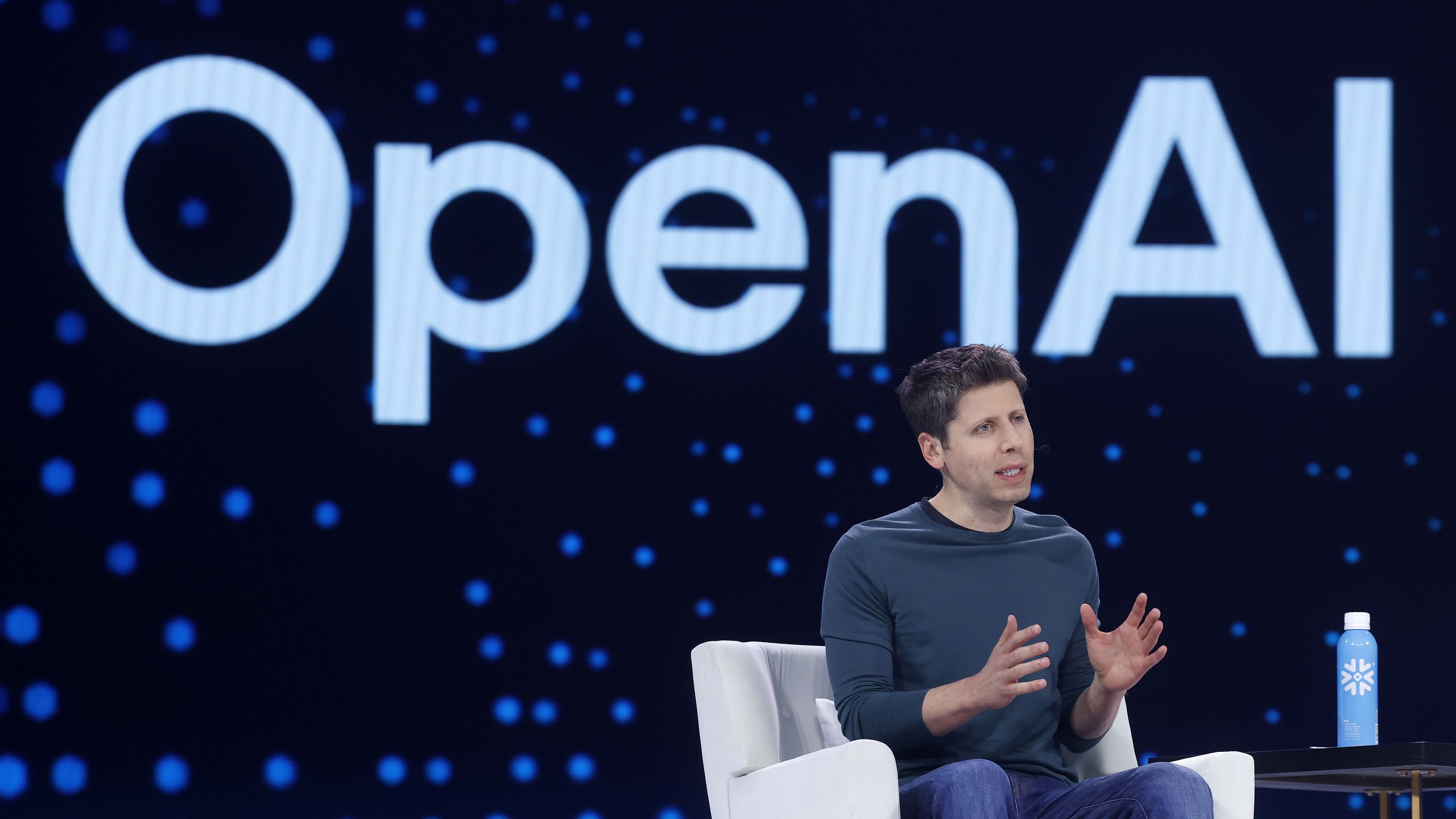
OpenAI CEO Sam Altman declared a “code red” in an internal memo, pulling the company’s full attention to ChatGPT’s basics. He wants better speed, reliability, personalization, and coverage of more topics. The Wall Street Journal reported this, as TechRadar detailed, amid rivals like Google’s Gemini eating into OpenAI’s lead.
Why the Alarm?
Competition hit hard, as Forbes details. Google released Gemini 3 Pro recently, topping ChatGPT on benchmarks, per Fox Business. Gemini now has 650 million monthly users, up from 450 million in July, after adding an image generator. ChatGPT holds over 800 million monthly users, according to TechRadar, though Fox Business cited more than 800 million weekly.
Other threats include Meta’s billions in AI, China’s DeepSeek with new open-source models, and Anthropic’s Claude Opus 4.5 gaining enterprise users, as Tom’s Hardware noted. Users griped about ChatGPT-5 feeling robotic and weak in math or geography compared to ChatGPT-4o; a later 5.1 update helped some.
What Changes at OpenAI?
Altman paused projects like the Pulse assistant, advertising, shopping agents, and health agents, as The Information reported to refocus staff. Daily calls will track progress on ChatGPT. Nick Turley, head of ChatGPT, posted on X: “Our focus now is to keep making ChatGPT more capable, continue growing, and expand access around the world – while making it feel even more intuitive and personal.”
- Improve daily use and answer broader questions
- Boost speed and reliability
- Add more personalization
OpenAI plans a new reasoning model next week that beats Google’s latest Gemini, WSJ said.
What It Means for Users
Expect fewer flashy features short-term but a smoother ChatGPT. No ads or shopping pushes soon, which keeps things cleaner. OpenAI isn’t profitable yet, relying on funds and compute investments, while Google funds AI from revenue. Quartz called it a warning as ChatGPT’s edge shrinks. If OpenAI nails the basics, it stays ahead; otherwise, doors open wider for Google and others.